


Heat Pumps
we are committed to the future of sustainable energy. We supply a comprehensive range of advanced heat pumps engineered to deliver maximum comfort with minimal environmental impact. Whether you need reliable sanitary hot water for a home, high-temperature process heating for industrial manufacturing, or consistent year-round warmth for swimming pools, our solutions offer up to 75% lower operating costs than traditional gas or electric heaters. Join the global transition to clean, electrified heating with technology designed for performance and longevity.
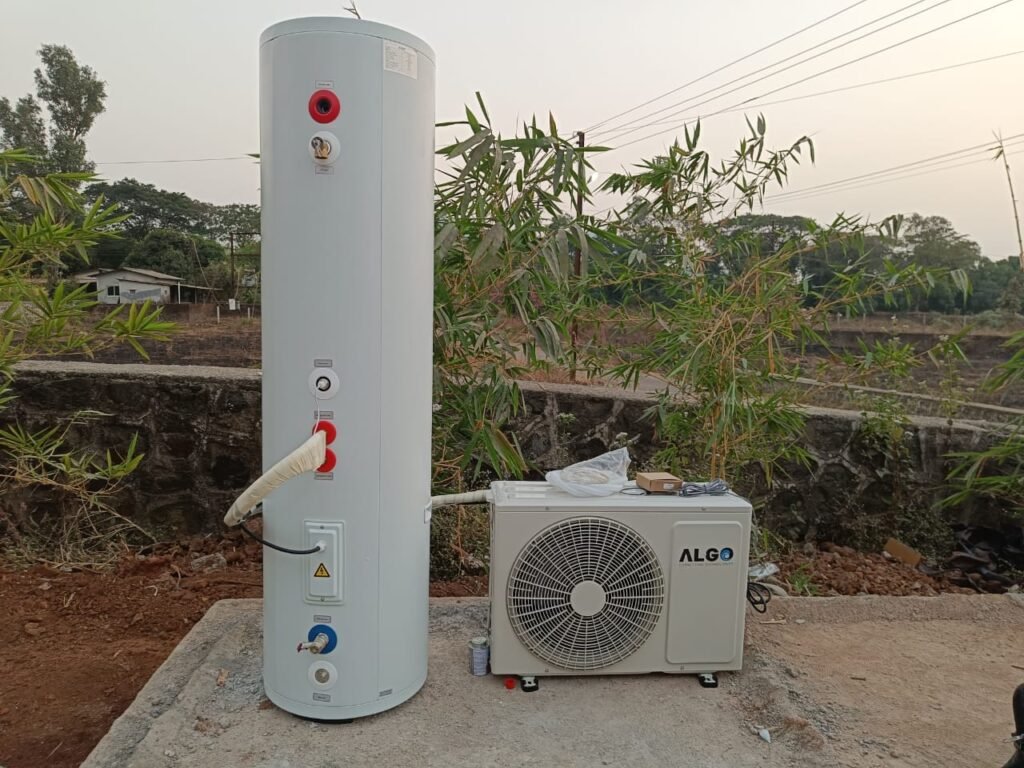
Why Choose a Heat Pumps?

Expert survey, design, and engineering
Advanced treatment technologies and equipment
Professional installation and commissioning
Operator training and documentation
AMC, servicing, and technical support
Frequently Asked Questions (FAQ)
What is a Heat Pumps?
A Water Treatment Plant is a system that removes suspended particles, dissolved impurities, and harmful microorganisms from raw water, making it safe, clean, and suitable for drinking or process use.
Why do we need a Heat Pumps?
A WTP ensures:
- Safe and hygienic drinking water
- Removal of bacteria, dirt, and chemicals
- Protection of pipelines and appliances
- Compliance with water quality standards
It helps prevent waterborne diseases and improves overall water quality.
What types of Heat Pumps?
Depending on design, a WTP can remove:
- Mud, sand, and turbidity
- Iron, hardness, and dissolved salts
- Organic matter and color
- Odor and taste-causing compounds
- Bacteria, viruses, and pathogens
Additional treatments can be added based on test reports.
Heat Pumps safe for us?
Yes — when designed correctly and operated properly, WTPs produce water that meets national and international drinking water standards. Regular monitoring and testing are important.
What is the lifespan of a Heat Pumps?
With quality components and regular servicing, a WTP can last 10–15 years or more, with some parts replaced periodically.
Does a Heat Pumps consume a lot of power?
Power usage depends on capacity and automation level. Modern systems are designed to be energy-efficient, reducing operating costs.